

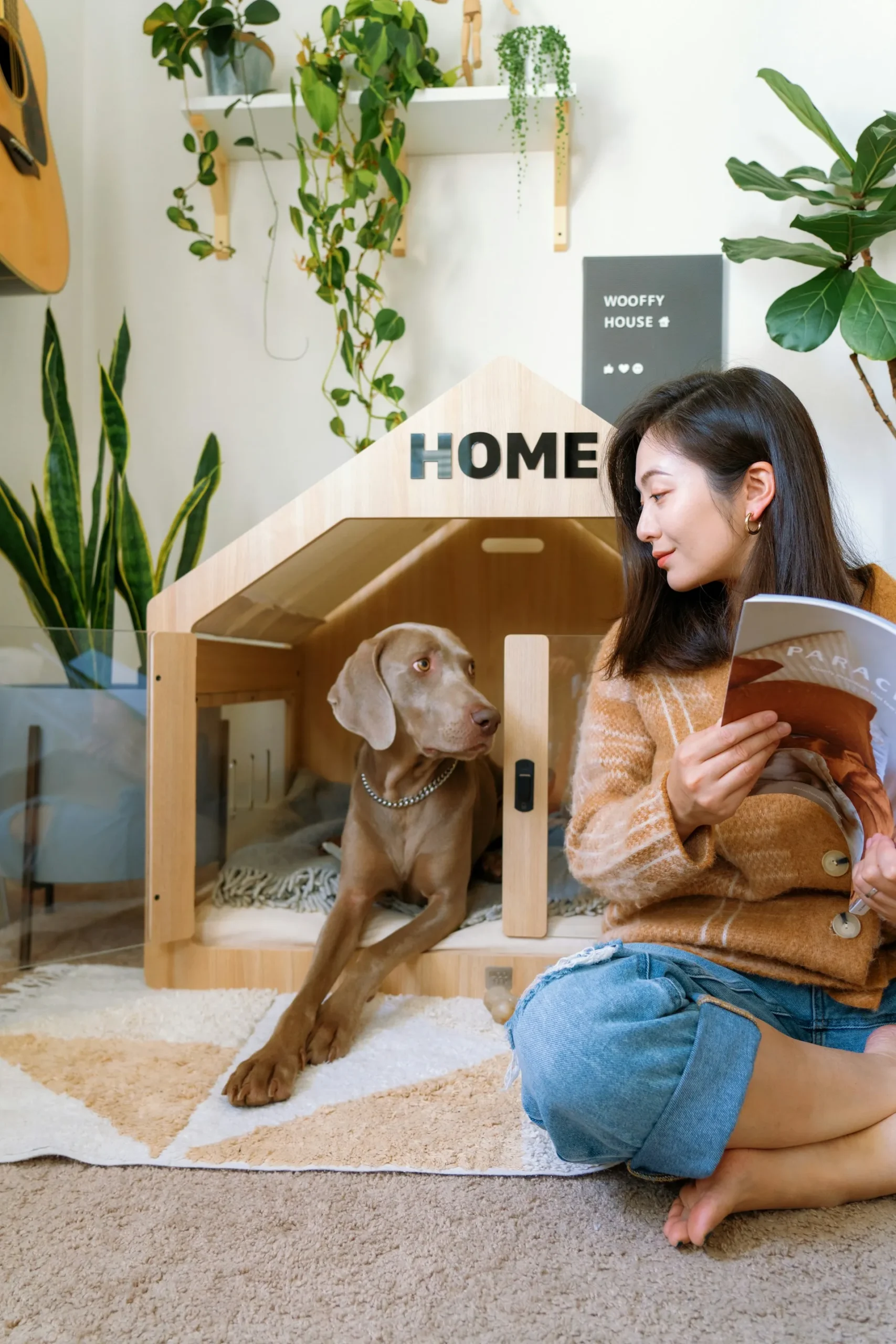
Homes Are Starting to Look Different
A few years ago, most pet setups inside homes were pretty basic. A bed in the corner, a few bowls near the kitchen, maybe a basket full of toys nobody cleaned out. That’s changed quite a bit. Pets now shape how people organise their homes, what products they buy, and even how they plan monthly budgets.
Part of that shift came naturally as more people started spending longer hours at home. Dogs that used to stay alone most of the day suddenly became part of daily routines. Cats started taking over work desks during video calls. Once people noticed how much time pets actually spend indoors, small changes around the house started happening almost without thinking about it.
These days, pet-friendly homes look different in subtle ways. Rugs are chosen because they’re easier to clean. Sofas are picked with fur and scratches in mind. Indoor plants get checked twice before buying because some are toxic to animals. Even home layouts feel more open now, especially in apartments where pets don’t have much outdoor space to burn energy.
Small Design Changes Are Becoming Normal
There’s also been a noticeable rise in people creating dedicated areas for pets instead of simply “making space” for them. Window perches for cats, feeding stations built into kitchen cabinets, hidden litter sections, and washable covers on furniture. Things that used to feel excessive now seem fairly normal.
Outdoor spaces are changing too. Backyards are becoming more functional instead of decorative. Pet owners are adding shaded corners, softer grass, enclosed fencing, and cooling areas during hotter months. In cities, even balconies are getting adjusted with safety screens and small pet-friendly setups because people want animals to feel comfortable in smaller living spaces too.
Technology has quietly become part of this shift as well. Automatic feeders, indoor cameras, filtered water fountains, GPS collars, and air purifiers used to feel unnecessary to many households. Now they’re fairly common, particularly among busy professionals or apartment owners.
Pet Spending Has Become More Practical
Spending habits around pets have become much more intentional. Few years ago, most people grabbed whatever pet food was available nearby. Now there’s far more attention on ingredients, consistency, storage quality, and long-term health. A lot of pet owners have become surprisingly informed about nutrition labels, allergies, digestion issues, and feeding routines. That doesn’t necessarily mean everyone is spending endlessly on luxury pet products. If anything, many households are trying to spend smarter instead of just spending more.
Food remains one of the biggest ongoing expenses, especially for larger dog breeds or homes with multiple pets. Vet visits, grooming appointments, supplements, training accessories, odour-control products, and cleaning supplies add up quickly too. After a certain point, most people start looking for ways to manage those costs realistically without lowering quality.
Bulk Buying Is Becoming More Common
That’s one reason bulk purchasing has quietly become more common over the last few years. Some families, local pet stores, and rescue groups now source products through suppliers connected to wholesale dog food networks because stable pricing and reliable stock matter more than flashy branding.
Overall, consistency has grown in importance. Unexpected food shortages, frequent brand switching, or purchasing poor quality products can result in greater issues in the road, particularly for pets with delicate digestive systems.
The American Pet Products Association reports that pet sector expenditure has been continuously increasing, especially in areas related to preventative care, wellness, and food quality. The fact that many homes increasingly take pet health seriously is reflected in that development.
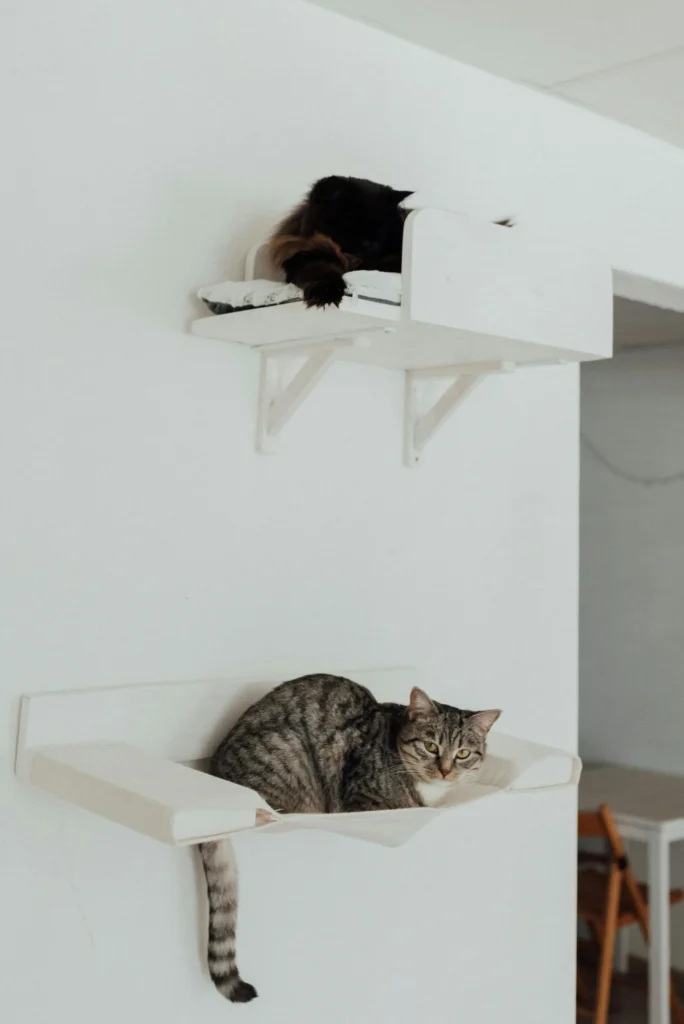
Pets Are Influencing Everyday Decisions
Pet cameras became especially popular once people returned to offices after spending extended periods at home. Many pet owners discovered that their animals had become used to constant companionship. Separation anxiety, overstimulation, and restless behaviour suddenly became common conversations online and at vet clinics.
That’s probably another reason quieter, calmer home setup are becoming more popular. Less clutter, designated sleeping spaces, and predictable routines seem to matter more now than constantly buying new accessories or trendy pet gadgets.
The emotional side of pet ownership has changed too. Pets are no longer treated like background companions in most households. They affect routines, travel plans, furniture decisions, and spending priorities in ways that didn’t feel as common years ago.
And honestly, that shift is pretty visible now. Modern homes are being designed around real day-to-day living instead of appearance alone and for many households, pets are part of that equation, whether intentionally planned or not.