

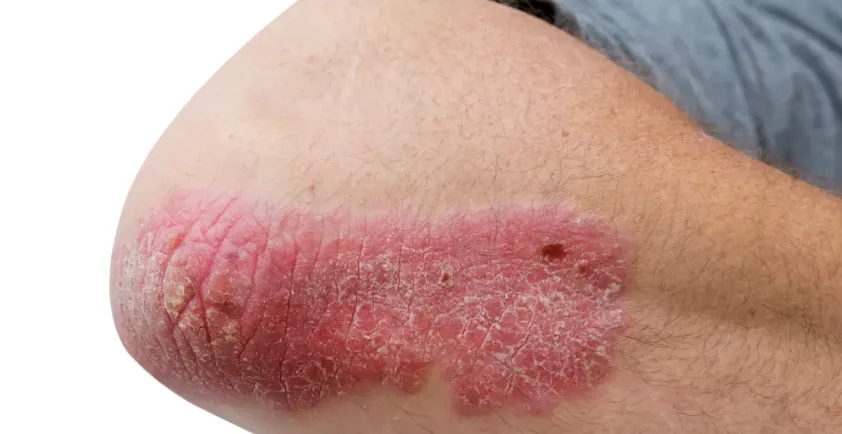
Psoriasis is a long-term inflammatory skin condition caused by an overactive immune response that speeds up the growth cycle of skin cells. This leads to a build-up of skin cells on the surface, forming thickened, red patches with silvery-white scaling. It is often mistaken for simple dryness or a cosmetic skin issue, but in reality, it is a chronic medical condition that may require ongoing management. Common symptoms include persistent redness, flaking, itching, and sometimes cracking or discomfort, depending on severity and location.
In Singapore, patients often seek help early at a skin clinic Singapore because the condition can be visibly noticeable, easily triggered by stress or infections, and may worsen with environmental or lifestyle factors. If you would like to understand more about psoriasis and available treatment options, you can read more at https://thedermclinic.com.sg/psoriasis/.
Why Psoriasis Happens
Psoriasis develops when the immune system becomes overactive and mistakenly accelerates the production of skin cells. Instead of the normal skin cycle, which takes about a month, new skin cells in psoriasis can form within just a few days. This rapid turnover causes cells to build up on the skin surface, leading to the characteristic thick, scaly plaques.
While the exact cause is not fully understood, psoriasis is widely recognised as a combination of genetic predisposition and immune system dysfunction. This means individuals may inherit a tendency to develop the condition, but environmental and lifestyle factors often determine when and how severely it appears. Common triggers include psychological stress, infections such as sore throat, skin injuries (including cuts or scrapes), certain medications, and changes in weather or lifestyle habits.
In Singapore, many patients notice flare-ups despite the generally warm climate, as humidity, sweating, and daily stress can still contribute to irritation. Because psoriasis is chronic, it tends to fluctuate between periods of improvement and worsening rather than completely disappearing without treatment. This is why assessment and ongoing care at a skin clinic Singapore are important to help identify triggers and manage the condition effectively over time.
Types of Psoriasis Seen in Singapore Patients
Psoriasis can present in different forms, and identifying the type is important for choosing the right treatment approach. At a skin clinic Singapore, dermatologists commonly see the following patterns:
- Plaque psoriasis: The most common type, presenting as raised red patches with silvery-white scales, usually on the elbows, knees, scalp, and lower back.
- Scalp psoriasis: Often mistaken for dandruff, but tends to be thicker, more inflamed, and may extend beyond the hairline.
- Guttate psoriasis: Small, drop-shaped lesions that may appear suddenly, often after a throat infection.
- Nail psoriasis: Affects fingernails or toenails, causing pitting, ridging, thickening, or discolouration.
- Inverse psoriasis: Occurs in skin folds such as the underarms, groin, or under the breasts, appearing as smooth, red patches without much scaling.
When to Visit a Skin Clinic Singapore for Psoriasis
Psoriasis can often start mildly, but it is important to seek medical attention when symptoms persist or begin to interfere with daily life. Early assessment at a skin clinic Singapore can help prevent worsening and improve long-term control.
You should consider seeing a dermatologist if you experience:
- Skin patches that do not improve with over-the-counter moisturisers or steroid creams
- Frequent flare-ups or spreading of lesions over time
- Persistent itching, discomfort, or cracking that affects sleep or concentration
- Involvement of sensitive areas such as the face, scalp, genitals, or hands
- Nail changes such as thickening, pitting, or separation from the nail bed
- Emotional distress or reduced confidence due to visible skin changes
Because psoriasis is a chronic condition that can vary in severity, timely medical evaluation allows for more targeted treatment and better symptom control.
Diagnosis and Assessment at a Skin Clinic Singapore
At a skin clinic Singapore, psoriasis is usually diagnosed through a careful clinical examination by a dermatologist. Most cases can be identified based on the appearance and distribution of the skin lesions, along with a detailed medical history. The doctor may ask about symptom duration, family history of skin conditions, recent infections, stress levels, and any medications used, as these can all influence flare-ups.
In some cases, psoriasis may resemble other skin conditions such as eczema, fungal infections, or allergic dermatitis. When the diagnosis is not straightforward, a small skin biopsy may be performed to confirm the condition under a microscope.
The severity of psoriasis is also assessed during consultation. This includes evaluating how much of the body is affected, the thickness of plaques, and the impact on daily life. This assessment helps guide the most appropriate treatment plan for each individual patient.
Modern Medical Treatments Available in Skin Clinic Singapore
Treatment for psoriasis at a skin clinic Singapore is tailored according to the type, severity, and response to previous therapies. The goal is to control inflammation, reduce scaling, and improve skin appearance while minimising flare-ups. Common treatment options include:
- Topical treatments: These are usually first-line for mild psoriasis and include corticosteroid creams, vitamin D analogues, and medicated shampoos for scalp involvement.
- Phototherapy (narrowband UVB): Controlled exposure to ultraviolet light helps slow excessive skin cell growth and reduce inflammation in moderate cases.
- Oral medications: For more widespread or resistant psoriasis, systemic treatments that modulate the immune response may be prescribed under medical supervision.
- Biologic therapies: These are advanced injectable treatments that target specific pathways in the immune system and are typically used for moderate-to-severe psoriasis.
A personalised treatment plan is essential, as different patients respond differently, and therapy may need adjustment over time for optimal control.
Conclusion
Psoriasis is a chronic condition that can be effectively managed with the right medical approach, even though it may fluctuate over time. Understanding your triggers, recognising early symptoms, and receiving timely treatment can significantly improve skin control and quality of life. With modern therapies available at a skin clinic Singapore, many patients are able to achieve long-term improvement and reduce the frequency and severity of flare-ups.
If you are experiencing persistent or worsening psoriasis, early assessment can help guide a more suitable treatment plan tailored to your skin condition. To arrange a consultation or learn more about treatment options, you may contact our clinic, at:
The Dermatology Clinic – Dr Uma | Skin Allergy | Paediatric Dermatology | Eczema Treatment Singapore
321 Joo Chiat Pl, #05-01A Parkway East Specialist Hospital, Singapore 427990
Phone: +65 6517 9760
290 Orchard Road 09-20/21 Paragon Medical Centre, Singapore 238859
Phone: +65 6320 0310
https://thedermclinic.com.sg/