

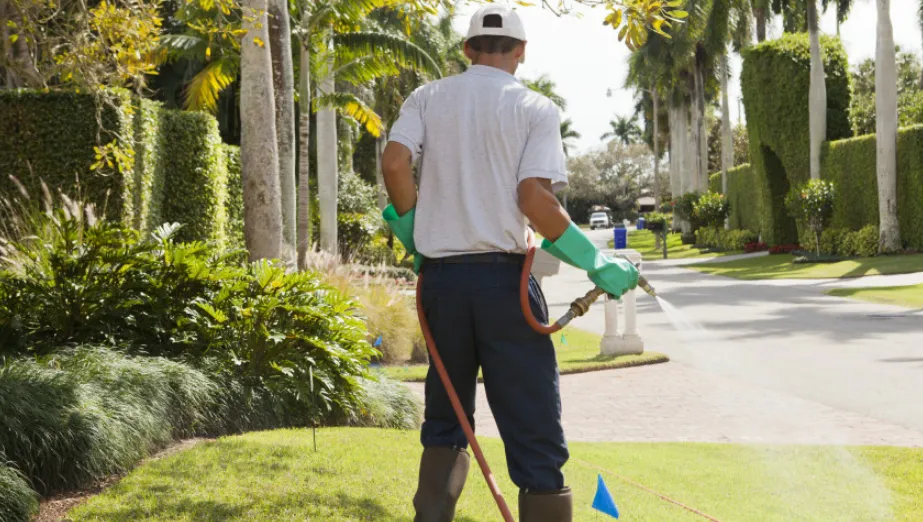
A healthy lawn does more than make a home look good. It gives kids a place to play, pets a place to roam, and families a comfortable outdoor space to enjoy. But when lawn pests move in, that green space can turn patchy, weak, itchy, and frustrating.
Lawn pest control is the process of finding, preventing, and treating pests that damage grass, soil, plants, and outdoor living areas. Some pests feed on grass roots. Others chew blades, build mounds, bite people, or attract larger animals. If you ignore them, a small problem can spread across the yard before you realize what happened.
This guide explains what lawn pest control includes, which pests homeowners should watch for, how to spot early warning signs, and what steps can help protect your lawn without wasting time or money.
What Is Lawn Pest Control?
Lawn pest control focuses on pests that live in, feed on, or travel through your yard. It includes inspection, identification, prevention, treatment, and follow-up care. The goal is not just to kill visible pests. The goal is to protect the lawn from ongoing damage.
A proper lawn pest inspection should look at more than the bugs on the surface. El Valle Pest Control helps El Paso County homeowners understand how moisture, shade, soil health, lawn stress, and nearby pest activity may be contributing to the issue.
Lawn pest control can involve several methods. These may include improving mowing habits, adjusting watering, reducing thatch, treating affected areas, using baits or targeted products, and creating a prevention plan. The right method depends on the pest and the level of damage.
Think of lawn pest control like home maintenance for the ground under your feet. You are not only fixing what you see today. You are also making the lawn harder for pests to damage tomorrow.
Why Lawn Pest Control Matters
Many homeowners do not notice lawn pests until damage becomes obvious. By then, the grass may have brown patches, thinning areas, spongy soil, or bare spots. Some pests damage roots below the surface, so the lawn can look fine while trouble builds underground.
Lawn pests can also create problems beyond the grass. Fleas and ticks can affect pets and people. Fire ants can make parts of the yard unsafe. Mosquitoes can turn patios and play areas into places people avoid. Moles and other animals may follow insects and grubs into the yard, creating tunnels and raised soil.
A damaged lawn is also more vulnerable to weeds, heat stress, drought, and disease. When pests weaken grass, weeds often move into the open spaces. The lawn then becomes harder to repair.
Good lawn pest control protects comfort, curb appeal, and property value. It also helps prevent small problems from becoming expensive repairs.
Common Lawn Pests Homeowners Should Know
Different regions deal with different lawn pests, but several common pests cause trouble in many yards. Knowing what to look for helps you act faster.
Grubs
Grubs are beetle larvae that live in the soil and feed on grass roots. They are one of the most common causes of brown, weak, or loose turf. If the grass lifts up like a loose carpet, grubs may be feeding underneath.
Grub damage often appears in irregular patches. You may also see birds, raccoons, or skunks digging in the lawn because they are looking for grubs to eat. That digging can make the damage worse.
Treatment timing matters with grubs. Products work best when grubs are young and active near the soil surface. Waiting too long can make control harder.
Chinch Bugs
Chinch bugs feed on grass by sucking plant juices and injecting damaging saliva. They often cause yellow or brown patches that look like drought stress. This makes them easy to misread, especially during hot weather.
They are common in sunny, dry areas of the lawn. Damage may start near sidewalks, driveways, or other warm spots. If watering does not improve the grass, pests may be involved.
A close inspection is needed because chinch bugs are small. You may need to part the grass and look near the soil line.
Armyworms And Sod Webworms
Armyworms and sod webworms chew grass blades. Damage can appear quickly, especially when populations are high. A lawn may look scraped, ragged, or suddenly thin.
Sod webworms often hide in the thatch layer during the day. You may notice small moths flying low over the lawn in the evening. Armyworms can move in groups and create fast damage.
These pests remind homeowners that lawn problems are not always slow. Some pests work like a bad haircut. You may not notice the first snip, but the result shows fast.
Ants, Fleas, Ticks, And Mosquitoes
Not all lawn pests destroy grass. Some affect how safe or comfortable the yard feels. Ants can build mounds and disturb soil. Fleas can hide in shaded areas where pets rest. Ticks may wait in tall grass, leaf piles, and brush. Mosquitoes breed in standing water and rest in shady, damp areas.
These pests need a prevention plan that includes yard cleanup, moisture control, pet care, and targeted treatment when needed. A nice lawn is not much use if everyone is scratching, swatting, or avoiding it.
Signs You May Need Lawn Pest Control
Lawn pest damage can look like drought, disease, poor soil, or mowing stress. That is why inspection matters. Treating the wrong problem wastes money and gives pests more time.
Watch for these warning signs:
- Brown or yellow patches that spread
- Grass that pulls up easily
- Birds or animals digging in the lawn
- Small insects near the soil line
- Chewed or ragged grass blades
- Mounds, tunnels, or raised soil
- Increased fleas, ticks, ants, or mosquitoes
- Thin grass that does not recover after watering
One sign alone may not prove a pest problem. But several signs together deserve attention. If the lawn keeps declining despite proper watering and mowing, pests should be on your list of possible causes.
Inspection Comes Before Treatment
The biggest mistake in lawn pest control is treating before knowing the pest. A brown patch does not always mean insects. It could come from heat, drought, fungus, pet urine, compacted soil, dull mower blades, or poor drainage.
Start by checking the affected area closely. Pull gently on the grass. If it lifts easily and roots are missing, grubs may be present. Look near the soil line for insects. Check whether the damage is in sun, shade, wet soil, or dry soil.
You can also compare healthy and damaged areas. Pests often leave clues where good grass meets bad grass. That border can reveal insects, larvae, or feeding damage.
A proper inspection saves guesswork. It is the difference between using a map and wandering through fog with a flashlight and too much confidence.
How Lawn Conditions Affect Pest Problems
A weak lawn attracts more trouble. Thin grass leaves room for weeds and pests. Overwatered soil can attract certain insects and disease. Underwatered grass becomes stressed and less able to recover from feeding damage.
Thatch also matters. Thatch is the layer of dead grass, roots, and organic material between the green blades and soil. A small amount is normal. Too much can shelter pests and block water, air, and nutrients.
Compacted soil can make grass roots shallow and weak. Poor drainage can create damp conditions that attract mosquitoes and other pests. Cutting grass too short can stress the lawn and expose soil.
Healthy grass is not pest-proof, but it is harder to damage. Strong roots and dense growth act like a thick wall. Pests may still attack, but the lawn has a better chance of recovery.
Practical Lawn Pest Prevention Tips
Prevention is usually easier than repair. A few steady habits can reduce pest pressure and help your lawn stay healthy.
Mow at the right height for your grass type. Cutting too short weakens grass and exposes soil. Sharp mower blades also matter because clean cuts help grass recover faster.
Water deeply but less often when possible. Shallow watering encourages shallow roots. Early morning watering is usually better than evening watering because grass dries faster during the day.
Remove standing water from buckets, toys, plant saucers, clogged gutters, and low spots. Mosquitoes do not need a luxury pool. A small amount of stagnant water can be enough.
Keep leaves, brush, and yard debris under control. Trim tall grass near fences and edges. Reduce clutter where ticks, fleas, ants, and rodents may hide.
Treatment Options For Lawn Pests
Lawn pest treatment should match the pest. Some problems need soil treatment. Others need surface treatment, bait, habitat reduction, or a mix of methods.
For grubs, treatment often targets the soil where larvae feed on roots. Timing is important because young grubs are easier to control than mature ones. Watering after some treatments may help move the product into the soil, but always follow label directions.
For surface-feeding insects, treatment may focus on active areas where pests are feeding. For ants, bait can be useful because workers carry it back to the colony. For mosquitoes, reducing breeding sites is just as important as treating resting areas.
For fleas and ticks, treatment should include the lawn, shaded resting spots, pet areas, and pet protection. Treating only the grass while ignoring where pets sleep or roam may give poor results.
The best treatment plan is specific. It should answer three questions. What pest is active? Where is it living? What condition is helping it survive?
DIY Lawn Pest Control: Pros And Cons
DIY lawn pest control can work for small, simple problems. It may cost less upfront and lets homeowners act quickly. For people who enjoy yard care, it can be a practical option.
But DIY treatment has limits. Misidentifying the pest can lead to wasted products and continued damage. Applying too much product can harm beneficial insects, pets, or the lawn itself. Applying too little may fail to control the pest.
The biggest DIY risk is timing. Some lawn pests must be treated during certain life stages. If you miss the window, the product may not work well.
If you choose DIY, read labels carefully, measure the lawn area, follow all directions, and keep children and pets away from treated zones until it is safe to return. Good pest control is careful work, not a backyard guessing contest.
When To Call A Lawn Pest Control Professional
Professional help makes sense when damage spreads fast, the pest is hard to identify, or previous treatments have failed. It is also wise when you deal with recurring grubs, heavy flea or tick activity, fire ants, or mosquito problems that affect outdoor living.
A professional inspection can separate pest damage from lawn disease, watering issues, soil problems, or mowing stress. That alone can save money. Treating a fungus like an insect problem is like bringing a net to a plumbing leak.
Ask what pest was found, where it was found, and why the treatment is recommended. A good service should explain the plan in clear language. You should also ask about follow-up, prevention steps, and how long results may take.
The goal is not just a greener lawn next week. The goal is a healthier lawn that can resist future pressure.
Common Lawn Pest Control Mistakes To Avoid
One common mistake is ignoring early damage. Small brown patches can grow quickly if pests are active. Waiting may turn a simple fix into a full lawn repair project.
Another mistake is overwatering damaged grass. If pests are feeding on roots, extra water will not solve the problem. It may even create new issues, such as fungus or shallow roots.
Homeowners also make the mistake of treating the whole yard when only one area needs attention. Targeted treatment can reduce product use and focus on the real problem.
Finally, do not assume every insect is harmful. Lawns contain many insects, and some are beneficial. The goal is balance, not wiping out every tiny creature that dares to exist.
Final Thoughts: Protect Your Lawn By Acting Early
Lawn pest control is the process of finding, preventing, and treating pests that damage grass or make your yard uncomfortable. It works best when you combine inspection, healthy lawn care, smart prevention, and targeted treatment.
Start by watching for warning signs. Look for spreading brown patches, loose turf, chewing damage, mounds, digging animals, or increased biting pests. Then inspect before you treat. A clear diagnosis helps you avoid wasted time and poor results.
If the problem is small, careful DIY steps may help. If damage spreads or pests return, a professional inspection can give you a better plan. Either way, do not wait until the lawn looks beyond saving.
A strong lawn starts with steady care. Mow properly, water wisely, reduce standing water, remove debris, and act when early signs appear. Your yard does not need perfection. It needs attention before pests turn a small problem into a big repair.