

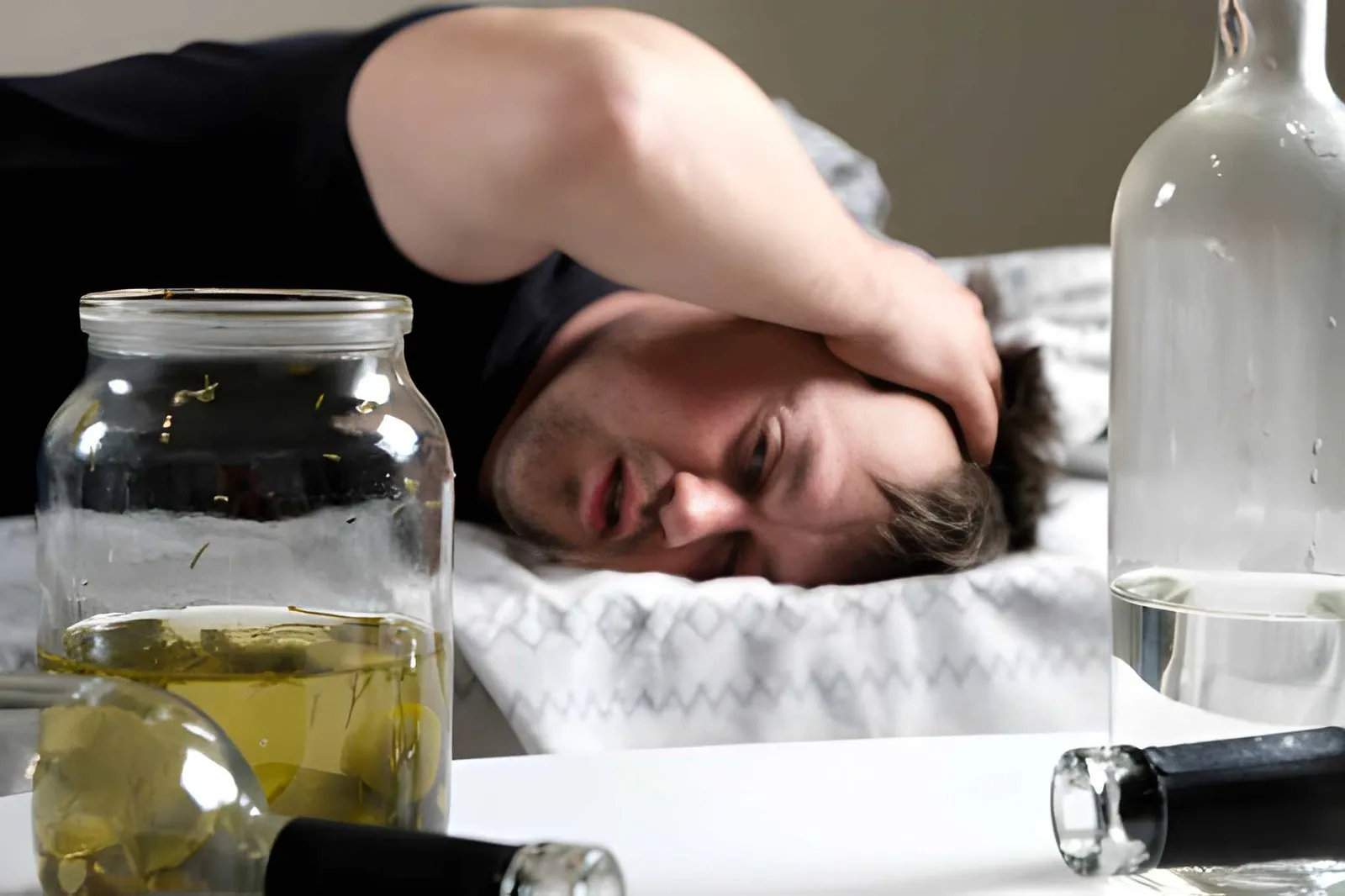
Sleep problems are easy to dismiss. A few restless nights can look like stress, travel, aging, grief, or a packed schedule. For many people, that is exactly what they are. But when sleep starts changing in ways that are persistent, unusual, or tied to drinking patterns, it can also be an early warning sign that alcohol is affecting health more than it seems.
Alcohol often gets mistaken for a sleep aid because it can make someone feel drowsy at first. The bigger picture is different. It tends to disrupt normal sleep architecture, increase nighttime waking, and reduce the kind of restorative rest that helps mood, focus, and physical recovery. The National Institute on Alcohol Abuse and Alcoholism notes that alcohol can interfere with sleep and circadian rhythms, even when it initially shortens the time it takes to fall asleep.
Why alcohol-related sleep disruption matters
Sleep is often one of the first systems to show strain. Someone may still be functioning at work, keeping up appearances, and telling themselves their drinking is under control. At the same time, they may be waking at 3 a.m., sweating through the night, feeling wired after drinking, or relying on alcohol more often because sleep has become unreliable.
That pattern matters because poor sleep and alcohol use can reinforce each other. A person drinks to relax. Sleep becomes lighter and more fragmented. The next day brings fatigue, irritability, and trouble concentrating. By evening, alcohol can start to feel like the fastest way to take the edge off again.
What looks like insomnia may actually be a signal that drinking is moving from occasional use into something more concerning.
What sleep disruption can look like in real life
Alcohol-related sleep problems do not always look dramatic. In many cases, they show up as subtle changes that build over time.
- Falling asleep quickly but waking often, especially in the second half of the night
- Early morning waking with anxiety, a racing heart, or a sense of dread
- Night sweats or vivid dreams after evenings of heavier drinking
- Snoring that worsens or breathing that seems more irregular after alcohol use
- Needing alcohol to fall asleep, then needing more than before
- Feeling unrefreshed despite spending enough hours in bed
These signs do not prove alcohol use disorder on their own. They do suggest that drinking deserves a closer look, especially when sleep changes are paired with secrecy, irritability, missed obligations, or a growing sense that alcohol has become part of the nightly routine rather than an occasional choice.
When sleep problems may point to something more serious
One of the hardest parts of identifying alcohol misuse early is that many high-functioning adults compensate well. They may still perform, socialize, and manage responsibilities. Sleep often tells a truer story than daytime appearances do.
If someone becomes dependent on alcohol, sleep may worsen when they try to cut back. They might feel restless, shaky, or unable to settle at night without a drink. The Substance Abuse and Mental Health Services Administration identifies sleep disturbance as a common feature during withdrawal and early recovery. That does not mean every bad night signals withdrawal, but it does mean recurring sleep disruption should not be brushed aside when alcohol use is also increasing.
Questions worth asking
When sleep and alcohol seem connected, a few direct questions can help clarify what is happening:
- Has drinking become a regular way to fall asleep or calm down at night?
- Are there more drinks now than six months ago to get the same effect?
- Does sleep get worse after heavier drinking, even if falling asleep feels easier?
- Is there anxiety, sweating, or agitation during the night after cutting back?
- Have other people commented on mood, memory, or changes in behavior?
These are not diagnostic tools. They are early checkpoints. Honest answers can help a person or family decide whether the issue is occasional overuse, a developing pattern, or something that needs formal assessment.
What to do if the pattern is becoming clear
The next step is not always emergency treatment. Sometimes it starts with acknowledging that sleep is no longer normal and alcohol may be part of the reason. A medical or mental health evaluation can help sort out whether the main issue is alcohol use, anxiety, depression, another sleep disorder, or a combination of factors.
If residential care becomes relevant, the details matter far more than the setting alone. The strongest inpatient rehab treatment centers evaluate sleep as part of the full clinical picture, not as a side complaint. That includes screening for co-occurring mental health conditions, reviewing medication use, and planning for safe detox when needed.
For people whose drinking has escalated gradually, alcohol-specific care may be the better fit than a general wellness approach. Reviewing options for alcohol rehab programs can help families understand what level of structure and clinical support may be appropriate.
Why early attention can change the trajectory
Sleep disruption is not a small issue when alcohol is involved. It affects judgment, emotional regulation, work performance, and physical health. It can also be one of the earliest signs that a person is losing the ability to regulate drinking without consequences.
That is why persistent sleep changes deserve attention before the situation becomes more acute. If alcohol use is starting to shape the night, it is often already shaping the day as well. For readers trying to understand next steps, Luxury Rehab can be a useful place to review treatment options and standards of care across California treatment centers, especially when discretion and clinical quality both matter.