

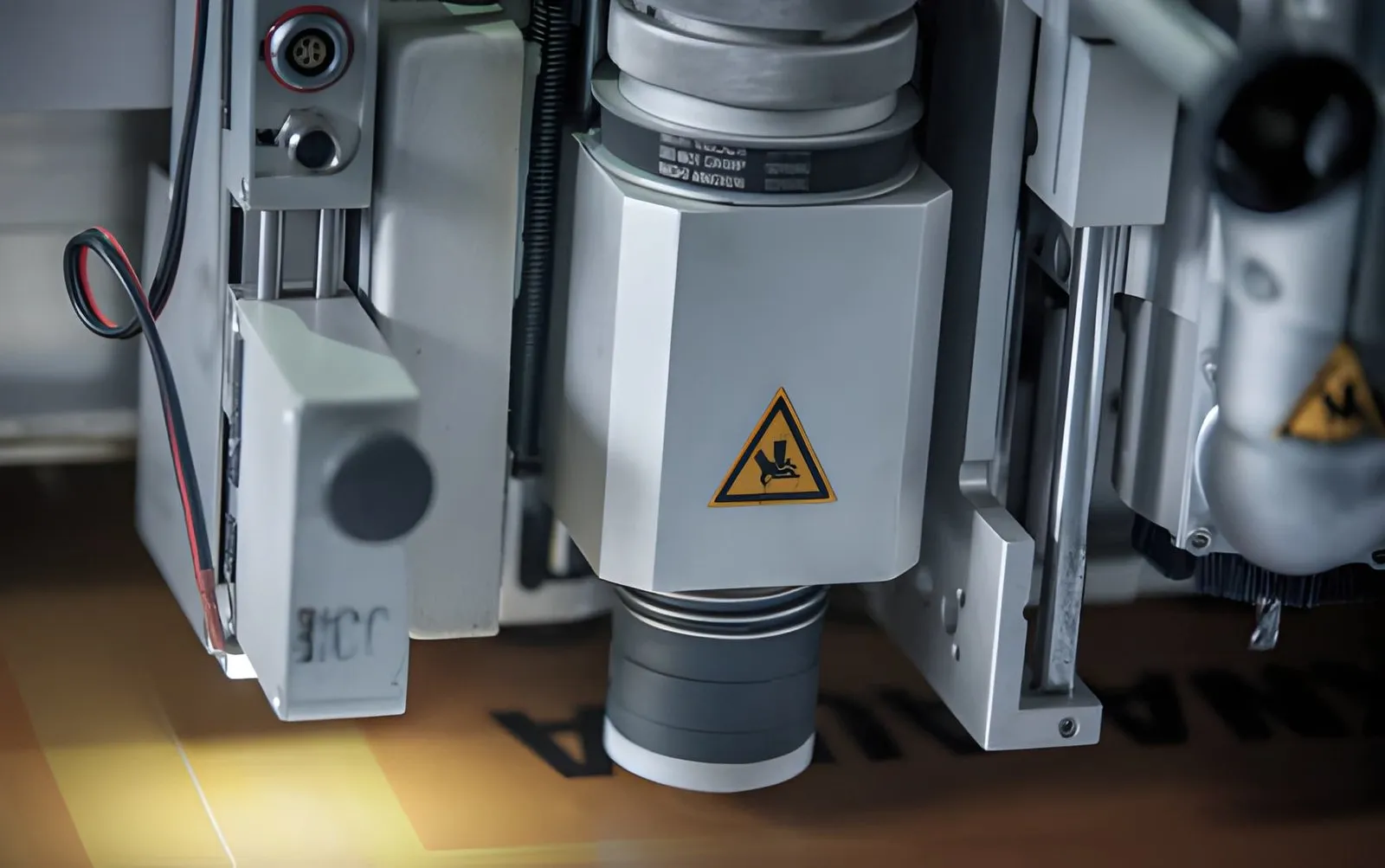
As environmental considerations become more closely connected to manufacturing decisions, companies are reexamining the materials and processes used to package and identify their products. Reducing unnecessary waste while maintaining clear, durable product information has become an important objective for many manufacturers. High Tech Quality Manufacturing addresses these needs by incorporating advanced laser marking technology into a variety of manufacturing applications. By applying information directly to packaging surfaces, this process can reduce reliance on certain disposable materials while supporting efficient and environmentally conscious production practices.
A Direct Approach to Product and Package Identification
Packaging often requires identifying information such as product names, serial numbers, barcodes, instructions, regulatory details, and company branding. Conventional methods may involve printing this information on separate labels and then attaching those labels to the finished package. Depending on the process, this can require additional materials, including paper or plastic labels, adhesives, and printing consumables.
Laser marking takes a different approach. Focused laser energy is used to create permanent information directly on the material being marked. Text, graphics, codes, and logos can become part of the package surface rather than existing as a separate component.
This technology can be used with various materials, including certain plastics, metals, glass, and wood. Its adaptability makes it useful for manufacturers working across different products and packaging formats. Instead of adding multiple components solely for identification, companies can integrate required information into the packaging itself.
Limiting the Use of Additional Packaging Supplies
Every material used during production must be purchased, stored, handled, and eventually discarded or recycled. For manufacturers using traditional labeling systems, those requirements can include maintaining inventories of labels, adhesives, and printing supplies. Reducing the need for some of these consumable products may help simplify parts of the production process.
With laser marking, important details can be placed directly on the finished package or product. Manufacturers may use the process for branding, tracking information, product specifications, identification codes, and other necessary markings without applying a separate label for each item.
This direct process can also reduce the number of production stages involved in package identification. Rather than printing, managing, and applying another material, the marking is completed on the surface itself. The result is a permanent form of identification designed to remain legible during normal handling and distribution. Unlike some applied labels, direct markings are not dependent on an adhesive remaining attached to the package.
Considering Packaging Beyond the Point of Purchase
More sustainable packaging involves evaluating what happens after consumers have finished using a product. Recycling and material recovery can be affected by the number and types of materials combined within a single package. Added labels and adhesives may introduce extra components that need to be considered during sorting and processing.
Laser marking can support efforts to minimize those additions by placing information on the primary packaging material. For certain applications, this may help manufacturers develop packaging systems with fewer supplemental components.
Permanent identification can also provide information that remains associated with a material after a product has been used. Marked codes or other details may support traceability and material identification throughout handling and recovery processes. These capabilities can complement circular manufacturing goals, which focus on extending the useful life of materials and encouraging their recovery, reuse, or recycling when possible.
Creating Customized Packaging Without Separate Labels
Packaging serves both practical and visual purposes. In addition to identifying a product, it often communicates information about the company and helps distinguish one item from another. Manufacturers, therefore, need identification methods that can accommodate customized branding while remaining suitable for their production requirements.
Laser marking can be used to create detailed logos, text, graphics, and other customized elements directly on packaging. This gives businesses a way to incorporate their visual identity without necessarily depending on additional printed materials. The precision of the process also allows for clear placement of small or detailed information when appropriate for the selected material and application.
High Tech Quality Manufacturing helps businesses explore laser marking solutions that fit their manufacturing needs. Direct customization can give companies greater flexibility in how they present product information while also supporting efforts to reduce the use of certain packaging supplies.
Moving Packaging Manufacturing Toward Greater Material Efficiency
Manufacturers continue to face changing expectations related to waste reduction, resource use, product traceability, and packaging performance. As these priorities develop, production methods that reduce unnecessary materials while maintaining reliable identification may become increasingly valuable.
High Tech Quality Manufacturing uses laser marking technology to provide manufacturers with a direct and durable option for product and packaging identification. By reducing dependence on separate labels and certain consumable materials, simplifying portions of the production process, supporting material recovery considerations, and allowing for customized designs, laser marking can contribute to packaging strategies focused on greater efficiency and environmental responsibility.