

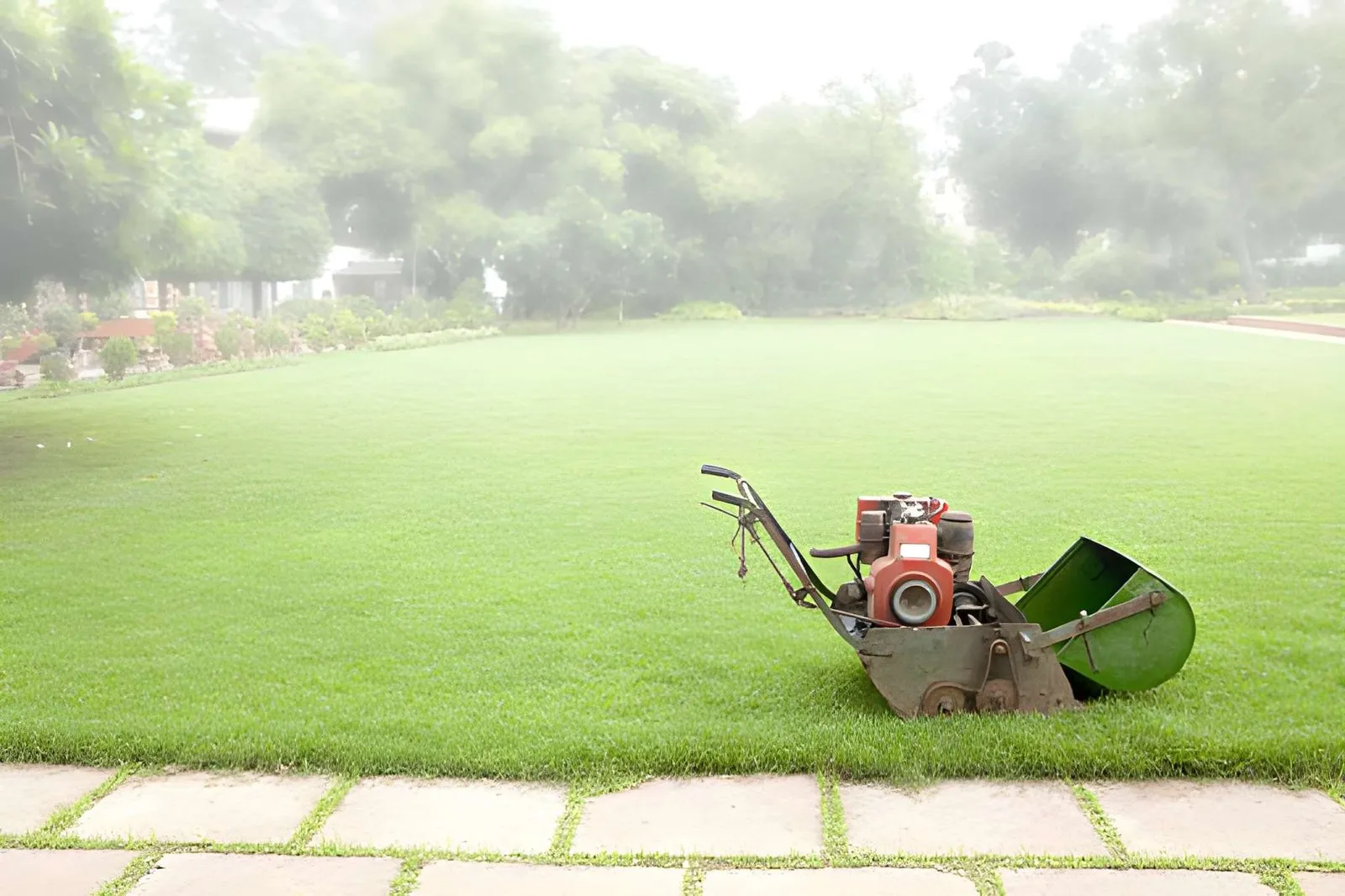
A healthy lawn has to deal with more than regular mowing. Temperature swings, heavy rain, dry periods, frost, heat, and changing daylight can all affect how grass grows. A lawn that looks strong in spring can struggle quickly if care stays the same as the weather changes.
The best lawn care routine changes with the season. Watering, mowing, fertilizing, and soil care should respond to what the grass is doing rather than follow the same schedule all year. A few timely adjustments can help your lawn handle stressful weather and recover faster when conditions improve.
Start by Learning How Your Lawn Responds to Weather
Grass reacts to temperature, moisture, sunlight, and soil conditions. Growth can speed up during mild periods and slow sharply during heat, cold, or drought.
Watch the lawn instead of relying only on the calendar. Changes in color, growth rate, soil moisture, and foot traffic tolerance can tell you when the grass is under stress.
Highlands Landscaping can help homeowners assess how their lawns respond to seasonal changes, including areas that dry out too quickly or hold too much water. Understanding these patterns makes it easier to address irrigation, drainage, and soil concerns.
Knowing where problems occur makes seasonal preparation much more targeted.
Adjust Watering as Temperatures Change
One of the most common lawn care mistakes is leaving irrigation on the same schedule throughout the year. Grass does not need the same amount of water during cool weather that it needs during hot, dry periods.
Check the soil before changing the watering schedule. If moisture remains several inches below the surface, the lawn may not need another watering cycle yet.
During hotter weather, deeper watering can help grass develop stronger roots. Short, frequent watering can encourage roots to stay close to the surface, where soil dries faster.
As temperatures cool, reduce irrigation gradually. Continuing a heavy summer watering schedule into a cooler season can leave soil saturated and create new lawn problems.
Check Your Irrigation System Between Seasons
Changing weather is a good reminder to inspect sprinklers. A lawn can look dry from heat stress when the real issue is poor sprinkler coverage.
Run each zone and watch the water pattern. Look for broken sprinkler heads, clogged nozzles, leaks, low pressure, and water landing on pavement instead of grass.
Pay attention to unusually wet areas too. A leak or sprinkler head that sprays too much water can leave one section soggy while another part of the lawn stays dry.
Adjust timers as daylight and temperatures change. An irrigation system should respond to current lawn needs rather than run automatically for months without review.
Change Your Mowing Routine With the Season
Grass growth does not stay constant throughout the year, so mowing frequency should change too. During active growth, the lawn may need regular cutting. Growth can slow during extreme heat, drought, or colder weather.
Avoid removing too much grass at once. Cutting away a large portion of the blade can place extra stress on the lawn.
Leaving grass slightly taller during hot periods can help shade the soil and reduce moisture loss. The correct height depends on the grass type, so learn what works for the turf growing on your property.
Keep mower blades sharp. Clean cuts place less stress on grass than torn blades and give the lawn a neater appearance.
Prepare the Lawn Before Hot Weather Arrives
Summer heat can expose weaknesses that were easy to miss during cooler months. Shallow roots, poor irrigation coverage, compacted soil, and thin grass often become much more obvious after temperatures rise.
Before peak heat, inspect the lawn for dry spots and areas where water runs off rather than soaking in. Correcting those problems early can help the grass handle hotter conditions.
Avoid cutting the lawn extremely short before a heat wave. Taller blades can shade the crown and soil.
Heavy fertilizer applications can also create problems during extreme heat. Rapid new growth needs water and energy, which can add stress during already difficult conditions.
Know the Signs of Heat Stress
Grass under heat or drought stress often changes color before it turns fully brown. It may develop a dull green or blue-gray appearance.
Walk across the lawn and look behind you. Healthy grass often springs back fairly quickly. Grass that stays flattened can be showing signs of water stress.
Dry soil supports the diagnosis, but do not assume every brown area needs more water. Fungal problems, insects, poor soil, and irrigation issues can create similar patterns.
Check several areas before changing the watering schedule. Adding more water to an already wet lawn can make certain problems worse.
Prepare for Heavy Rain
Too little water can damage a lawn, but too much can cause trouble as well. Long periods of wet soil can reduce oxygen around grass roots.
Before rainy seasons, check low areas where water collects. Downspouts, compacted soil, poor grading, and blocked drainage routes can all create soggy sections.
Avoid mowing waterlogged grass. The mower can compact soft soil, create ruts, and tear grass rather than cutting it cleanly.
If puddles remain long after rain stops, investigate the cause. Improving drainage may do more for the lawn than applying another lawn product.
Improve Compacted Soil
Compacted soil makes it harder for air, water, and nutrients to move into the root zone. Lawns with heavy foot traffic often develop this problem over time.
Signs can include water running across the surface, thin grass, hard soil, and areas that struggle despite regular watering.
Core aeration can help certain lawns by removing small plugs of soil and creating openings into the root zone. Timing matters, and the best season depends on the type of grass.
Do not aerate simply because a date on the calendar arrives. Look at soil condition, turf health, and the growing season before deciding whether the lawn needs it.
Deal With Thatch Before It Becomes a Problem
Thatch is a layer of partly decomposed plant material between the grass and soil. A small amount is normal, but a thick layer can interfere with water movement and create poor growing conditions.
Check the lawn by cutting a small section and looking at the layer beneath the green grass. If the buildup is thick, the lawn may benefit from dethatching at an appropriate time.
Aggressive dethatching can stress grass, so avoid treating a lawn that is already struggling with heat or drought.
Healthy soil activity helps organic material break down naturally. Proper mowing and sensible fertilizing can help prevent excessive buildup.
Fertilize According to Growth, Not Habit
Fertilizer should support the lawn’s growth cycle. Applying it at the wrong time can produce weak growth or add stress.
The right timing depends on grass type and local conditions. Cool-season and warm-season grasses do not follow the same growth schedule.
Avoid assuming that more fertilizer will fix every pale lawn. Yellowing can come from poor drainage, watering problems, compacted soil, disease, or nutrient issues.
A soil test can help show what the lawn actually needs. That can prevent unnecessary applications and make fertilizer use more precise.
Handle Fall Leaves Before They Smother the Lawn
A light layer of leaves can often be chopped into smaller pieces with a mower. Thick leaf cover is different.
Leaves that remain on the grass for long periods can block sunlight and trap moisture. This can weaken turf and create matted areas.
Rake, collect, or mulch heavy leaf buildup before it becomes dense. Shredded leaves can sometimes be used in garden beds or compost rather than thrown away.
Do not wait until every leaf has fallen if the lawn is already buried. Several smaller cleanup sessions can be easier on both the lawn and the homeowner.
Prepare for Cold Weather and Frost
Grass growth slows as temperatures fall. Mowing, watering, and fertilizing schedules should change with it.
Continue mowing when grass is actively growing, but do not scalp the lawn before winter. Cutting it extremely short does not protect it from cold.
Avoid heavy foot traffic on frosted grass. Frozen or frost-covered blades can become damaged when stepped on repeatedly.
Before freezing weather, winterize irrigation equipment where local conditions require it. Pipes and sprinkler components can suffer damage when water freezes inside them.
Give Newly Seeded Areas Extra Attention
New grass is more vulnerable to weather changes than established turf. Young roots have not developed enough depth to handle long dry periods or major temperature swings.
Plan seeding around suitable growing conditions for the grass type. Seed planted just before extreme heat or cold may struggle before it becomes established.
Keep the soil consistently damp during early germination without flooding it. As the grass develops, watering can gradually shift toward deeper and less frequent cycles.
Limit foot traffic on new grass. Young seedlings can be damaged easily before the root system becomes stronger.
Repair Bare and Thin Areas at the Right Time
Bare patches allow weeds to move in and can grow larger if the underlying cause is ignored.
Before reseeding, determine why the grass disappeared. Shade, pet traffic, compacted soil, poor irrigation coverage, disease, and drainage can all create bare areas.
Fix the cause first. Planting new seed repeatedly in the same problem spot will not accomplish much if the growing conditions remain poor.
Choose a repair period that gives new grass enough time to establish before severe weather arrives.
Watch for Seasonal Weeds
Different weeds can appear as temperatures change. Some grow aggressively during warm weather, and others become more noticeable during cooler periods.
A thick, healthy lawn is one of the best defenses against many weeds. Dense grass leaves less open soil and sunlight for weed seeds.
Pull small weed populations early where practical. If treatment is needed, identify the weed before choosing a product.
Weather matters during application. Very hot temperatures, rain, or stressed grass can affect how certain products perform.
Avoid Heavy Traffic During Stressful Weather
Lawns can handle regular activity when they are healthy, but severe heat, saturated soil, frost, and drought can make grass more vulnerable.
Move repeated activities around the yard where possible. Children, pets, outdoor furniture, and temporary equipment can wear paths into already stressed grass.
Wet soil is particularly easy to compact. Walking or moving heavy equipment across a soaked lawn can damage soil structure.
Give recovering areas a break. A few weeks with reduced traffic can help thin sections regain strength.
Know When Brown Grass Is Dormant
Brown grass is not always dead. Certain grass types can enter dormancy during periods of heat, drought, or cold.
Dormant grass reduces growth to protect itself until conditions improve. It may look dry above ground even though important plant tissue remains alive.
Before replacing brown turf, inspect the crowns and root area. Look at the pattern of damage across the yard too.
A single dry strip beside a driveway may point to heat or irrigation coverage. Widespread seasonal browning may be part of the grass’s normal response to weather.
Common Seasonal Lawn Care Mistakes
Keeping the same watering schedule all year is one of the biggest mistakes homeowners make. Lawn needs change with temperature, rainfall, and growth.
Another mistake is reacting too quickly to discoloration. Adding fertilizer or more water without finding the cause can make the problem worse.
Avoid cutting grass very short before hot or cold weather. Grass still needs healthy leaf tissue to support its roots.
Do not ignore drainage, soil compaction, or irrigation coverage either. Many problems blamed on weather actually start with conditions that were already present.
Create a Simple Seasonal Lawn Checklist
You do not need a complicated lawn care calendar. Focus on a few basic conditions each time the weather begins to change.
Check:
- Soil moisture and irrigation settings
- Mowing height and grass growth
- Drainage and compacted areas
- Weeds, disease, and insect activity
- Thin, bare, or stressed sections
These checks can reveal small problems before extreme weather makes them worse.
Help Your Lawn Adjust Before the Weather Does
A strong lawn is built through small changes made at the right time. Adjust irrigation as temperatures change, mow according to growth, watch soil conditions, and repair weak areas before severe weather arrives.
Pay attention to how different parts of the yard respond. One section may dry quickly in summer, while another stays wet after storms. Treating every part of the lawn exactly the same can create unnecessary problems.
Walk the lawn whenever the season starts to shift and look for changes in moisture, color, growth, and soil condition. Correcting those issues early gives the grass a better chance to handle whatever weather comes next.