
Haemorrhoids are a common condition that can cause symptoms such as bleeding, discomfort, and swelling around the anal area. In the early stages, symptoms often improve with dietary changes, increased fibre intake, and topical treatments. However, in more advanced cases such as Grade 3 and Grade 4 haemorrhoids, symptoms tend to become more persistent and may significantly affect daily life.
These stages are characterised by prolapse of the haemorrhoids, with Grade 3 requiring manual reduction and Grade 4 remaining permanently prolapsed. At this point, conservative measures may no longer be effective, and medical assessment is often needed to consider options such as haemorrhoids surgery Singapore treatment. To learn more about haemorrhoids and available treatment options, read here https://alpinesurgical.sg/conditions/haemorrhoids/.
What Are Grade 3 And Grade 4 Haemorrhoids?
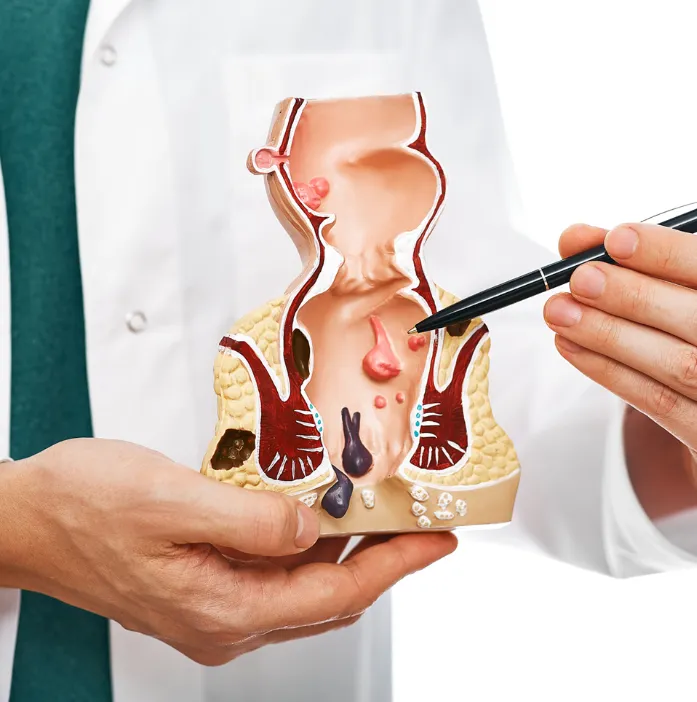
Grade 3 and Grade 4 haemorrhoids represent the more advanced stages of the condition. In Grade 3 haemorrhoids, the swollen tissue protrudes out of the anus during bowel movements or straining, and typically needs to be pushed back manually. In Grade 4 haemorrhoids, the tissue remains permanently prolapsed and cannot be reduced, even after bowel movements. These stages are often associated with more significant symptoms such as recurrent bleeding, discomfort, mucus discharge, and difficulty maintaining hygiene.
As the condition progresses, symptoms tend to become more intrusive and may interfere with daily activities, prompting patients to seek medical evaluation for options such as haemorrhoids surgery Singapore treatment.
Why Advanced Haemorrhoids Do Not Improve With Conservative Treatment
In the early stages of haemorrhoids, conservative measures such as increased fibre intake, adequate hydration, stool softeners, and topical creams can help reduce symptoms and prevent worsening. However, in Grade 3 and Grade 4 haemorrhoids, the underlying issue is no longer just inflammation or irritation, but a structural change in the haemorrhoidal cushions and supporting tissues.
As a result, the tissue has already prolapsed beyond its normal position, and lifestyle measures alone cannot reverse this mechanical displacement. While symptoms such as irritation or constipation may temporarily improve, the prolapse itself typically persists or worsens over time. This is why patients at this stage often do not experience lasting relief with non-surgical approaches, and further assessment for definitive management is usually required.
When Surgery Becomes The Recommended Option
Surgery is generally considered when Grade 3 or Grade 4 haemorrhoids begin to significantly affect quality of life or fail to respond to conservative treatment. Common indications include persistent or recurrent bleeding, frequent prolapse requiring manual reduction, and increasing difficulty with hygiene or discomfort during daily activities.
In some cases, patients may also develop complications such as anaemia from chronic blood loss or episodes of thrombosis that cause acute pain. When symptoms become ongoing or disruptive despite appropriate non-surgical measures, a discussion about definitive treatment options, including haemorrhoids surgery Singapore, is typically warranted. The decision is based on symptom severity, impact on lifestyle, and clinical assessment rather than grade alone.
Types Of Surgical Options Available In Singapore
Several surgical approaches are available for treating advanced haemorrhoids, and the choice depends on the severity, anatomy, and individual patient factors. In haemorrhoids surgery Singapore practice, the main options include:
- Conventional haemorrhoidectomy: Surgical removal of haemorrhoidal tissue. It is highly effective for severe or prolapsed cases but may involve a longer recovery period and more post-operative discomfort.
- Stapled haemorrhoidopexy: The prolapsed tissue is repositioned and blood flow reduced using a stapling device. This may be associated with less pain in selected patients.
- Energy-based or laser techniques: In carefully selected cases, energy or laser devices may be used to shrink or reduce haemorrhoidal tissue, potentially with less tissue trauma.
The most appropriate approach depends on symptom severity, examination findings, and overall patient suitability, and is usually determined after specialist assessment.
What Patients Can Expect From Surgery And Recovery
Haemorrhoid surgery is typically performed as a day surgery procedure, meaning most patients can return home on the same day. Before surgery, patients may undergo a brief assessment and receive instructions on bowel preparation if needed. The procedure itself is usually done under anaesthesia to ensure comfort.
After surgery, it is normal to experience some pain or discomfort, particularly during bowel movements in the first few days. This is usually managed with pain relief, stool softeners, and a high-fibre diet to reduce straining.
Light activities can often be resumed within a few days, although full recovery may take 1 to 2 weeks or longer depending on the type of procedure and individual healing response. Good post-operative care is important to support recovery and reduce the risk of complications, especially in patients undergoing haemorrhoids surgery Singapore procedures for advanced disease.
Conclusion
Grade 3 and Grade 4 haemorrhoids represent more advanced disease stages where symptoms are often persistent and may not respond well to conservative treatment alone. When discomfort, bleeding, or prolapse begins to affect daily life, a proper medical assessment is important to determine the most suitable next steps, including surgical options tailored to the severity of the condition.
To discuss your symptoms and explore suitable treatment options, you may book a consultation call with our clinic in Singapore. Details below:
Alpine Surgical Practice – Dr Aaron Poh | Colonoscopy | Gallstones Removal Singapore
(Mount Elizabeth)
3 Mount Elizabeth, #14-06 Medical Centre, Singapore 228510
(Parkway East)
319 Joo Chiat Place #04-07 Parkway East Medical Centre, 427989
Phone: +65 6322 7323
WhatsApp: +65 8875 0080