
Flood damage can feel overwhelming fast. One minute you are trying to stop the water, and the next you are wondering what can be saved, what needs to be removed, and whether the property is safe. The first few hours matter because moisture spreads quickly into flooring, walls, cabinets, insulation, and hidden structural areas.
The right cleanup steps can reduce long-term damage, but it is just as important to know when the problem has moved beyond basic cleanup and a flood cleanup company Oakville property owners can rely on may be needed for professional support.
Start with safety before touching anything
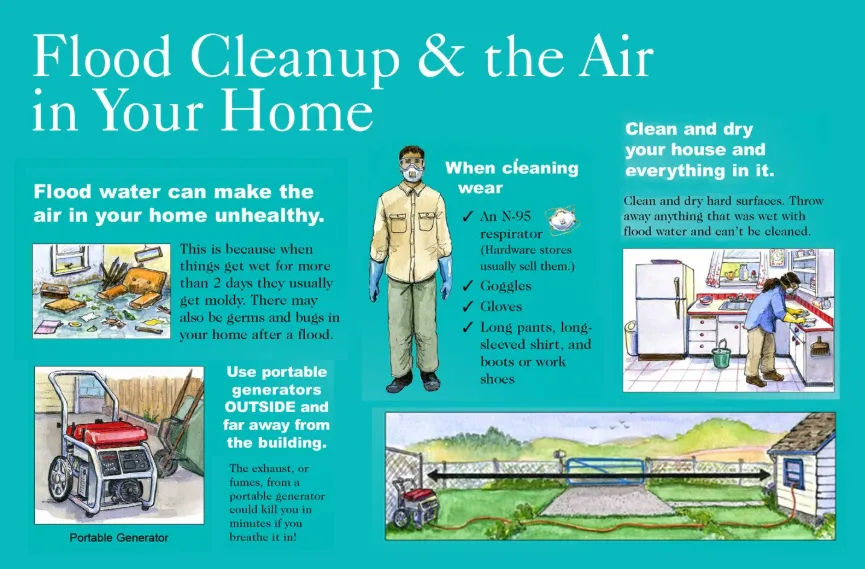
Before cleaning, make sure the area is safe to enter. If water is near outlets, appliances, electrical panels, or exposed wiring, stay out until power has been shut off by someone qualified. Floodwater can also contain sewage, chemicals, bacteria, or sharp debris, especially if it came from outside or backed up through drains.
Wear protective gloves, boots, and a mask if you need to enter the area briefly. If the water smells foul, looks cloudy, or has been sitting for several hours, treat it as contaminated and avoid direct contact.
Stop the water source if possible
If the flooding came from a burst pipe, leaking appliance, or overflowing fixture, shut off the water supply as soon as you can. The faster the source is stopped, the less water can spread into porous materials.
For stormwater or groundwater flooding, your focus should be on preventing more water from entering where possible. This may mean moving items away from affected areas, clearing blocked drains if it is safe, or placing temporary barriers to limit spread.
Remove standing water quickly
Standing water should be removed as soon as possible. Small amounts may be handled with towels, buckets, or a wet vacuum designed for water. Larger amounts usually require professional extraction equipment.
This step is important because water does not stay on the surface. It seeps under flooring, behind baseboards, into wall cavities, and beneath cabinets. Even after the visible water is gone, moisture may still be trapped where you cannot see it.
Move wet items out of the affected area
Furniture, rugs, boxes, clothing, and other belongings can hold moisture and slow down drying. Move salvageable items to a dry, ventilated space. Avoid stacking wet items together because that can encourage mold growth and staining.
Some materials, especially soaked carpet padding, upholstered furniture, drywall, and insulation, may not dry safely without professional treatment. If the water was contaminated, many porous items may need to be removed rather than cleaned.
Begin drying and ventilation
Air movement helps, but it has to be done correctly. Open windows if outdoor conditions are dry and safe. Use fans and dehumidifiers to pull moisture from the air and surfaces. Keep in mind that household fans may help with light dampness, but they often are not enough after significant flooding.
A room can look dry while moisture remains under flooring or inside walls. That hidden moisture is what often leads to musty odors, warped materials, mold growth, and structural concerns later.
Watch for signs of hidden damage
After the initial cleanup, look closely for bubbling paint, soft drywall, warped flooring, swollen trim, staining, musty smells, or persistent dampness. These signs usually mean water has traveled beyond the surface.
Mold can begin developing quickly when moisture is trapped. The bigger concern is that hidden water damage often gets worse quietly. What starts as a small damp area can turn into damaged subflooring, weakened materials, odors, and indoor air quality issues.
Know when professional help is necessary
Basic cleanup may be enough for a small, clean-water spill caught immediately. Flooding is different. Professional help becomes important when there is standing water, contaminated water, soaked walls or flooring, persistent odors, or moisture in hidden spaces.
When moisture has spread beyond the surface, experts for water damage repair services can identify hidden damage, dry the area properly, and focus on fixing structural moisture issues before they lead to mold or deeper structural concerns.
Professionals use extraction tools, moisture meters, drying systems, containment methods, and sanitation processes to address the full problem, not just the visible mess. They can also help determine what can be restored and what should be safely removed.
Protect your property before small damage spreads
Flood cleanup is not just about drying what you can see. It is about stopping moisture from turning into mold, odors, staining, and structural damage. Acting quickly, removing water, improving airflow, and watching for warning signs can make a major difference.
If the damage is widespread, contaminated, or difficult to fully dry, professional water damage remediation services can help protect the property and reduce the risk of long-term problems without guessing what is happening behind walls, floors, or trim.