
Table of Contents
- Common Plumbing Emergencies
- Immediate Steps to Take
- Preventive Measures
- When to Call a Professional
- Conclusion
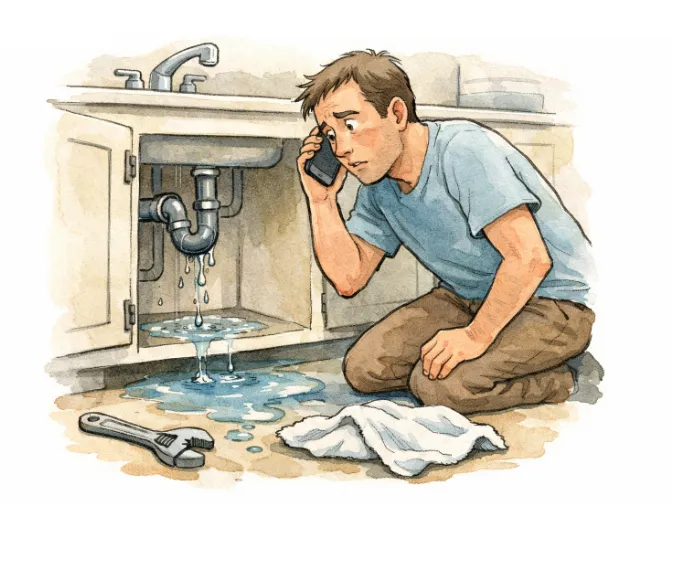
Plumbing emergencies can occur unexpectedly, leading to costly damage and significant stress for homeowners. Knowing how to respond immediately and how to prevent such emergencies can make a substantial difference in protecting your home and maintaining peace of mind. If you’re facing a crisis and need immediate assistance, you can rely on 24 hour emergency plumbing in West Monroe, LA for prompt, professional help.
Reacting swiftly and appropriately during a plumbing emergency can prevent minor issues from escalating into major problems that threaten your comfort, safety, and property. Familiarizing yourself with common emergencies and their early warning signs will help you minimize damage and avoid unnecessary repairs. Equally important is establishing a simple plan that includes preventive maintenance for your plumbing system. This proactive approach not only safeguards your home and belongings but also helps you save money over time. From insulating pipes during winter to knowing the location of your main shut-off valve, preparedness can transform emergencies from overwhelming ordeals into manageable situations.
Common Plumbing Emergencies
Whether you live in an older home or a newly built property, certain plumbing emergencies are more likely to occur. Recognizing these problems early is your first line of defense:
- Burst Pipes: The rapid expansion of water during a cold snap can cause pipes to crack or burst, leading to significant water damage.
- Overflowing Toilets: Typically caused by obstructions or faulty mechanisms inside the toilet tank, this can quickly lead to water damage on bathroom floors.
- Leaking Fixtures: Dripping faucets or showerheads waste water and may indicate deeper issues in your plumbing system.
- Clogged Drains: Hair, soap, and food debris can accumulate in pipes, causing slow drains and eventually leading to backups or overflows.
- Water Heater Failures: Malfunctioning units might leave you without hot water or leak water, sometimes creating safety hazards such as electrical risks or mold growth.
Immediate Steps to Take
Acting quickly during a plumbing emergency can help prevent the problem from worsening. Follow these essential steps the moment you notice trouble:
- Shut Off the Water Supply: Locate your main water shut-off valve and turn it off to halt most flooding. For smaller leaks, use local shut-off valves under sinks or behind toilets if available.
- Drain the Remaining Water: Open all faucets and spigots in your home to let water drain from the pipes. This relieves pressure and minimizes additional leakage.
- Handle Minor Leaks: Temporarily patch small leaks using plumber’s tape, rubber patches, or pipe sealant until a professional can provide a permanent solution.
- Clear Blockages When Safe: Use a plunger or a drain snake on clogged sinks or toilets, but avoid using harsh chemical cleaners, which can damage pipes and worsen clogs.
- Document the Damage: Take clear photos or videos of the affected areas to assist with insurance claims and help the plumber diagnose the problem.
Preventive Measures
Taking preventive action helps you avoid the stress and expenses associated with major plumbing issues. Consider these tips for keeping your home safe:
- Insulate Pipes: Insulate exposed pipes in attics, garages, and crawl spaces to prevent freezing damage during cold weather.
- Consistent Maintenance: Regularly check for drips, slow drains, and water stains so you can address small issues before they escalate. Annual inspections by a professional plumber can reveal problems you might otherwise miss.
- Install Drain Screens: Simple mesh covers in sinks, showers, and tubs catch hair and debris, helping to prevent persistent blockages.
- Locate and Test Shut-Off Valves: Ensure everyone in your home knows where shut-off valves are and how they operate, which is especially helpful in an emergency.
- Watch Water Pressure: High water pressure can strain pipes and is a common culprit in leaks. Install a pressure regulator if your readings consistently exceed 80 psi.
When to Call a Professional
While many minor plumbing issues can be handled at home, certain scenarios require professional intervention:
- Persistent Leaks: If a leak continues despite your temporary efforts, you need a licensed plumber’s expertise for a lasting repair.
- Sewage Backups: Bad odors, slow drainage, or sewage appearing in sinks or tubs signal a serious problem that needs specialized attention and equipment.
- Water Heater Problems: Unexplained changes in water temperature, noise, or leaks from your unit can suggest a failing component or a safety issue.
- Major Pipe Damage: For significant pipe bursts, crumbling pipes, or sudden water stains, always call for emergency plumbing services without delay.
Conclusion
Being prepared to handle plumbing emergencies starts with knowing what to look for, responding quickly, and taking proactive steps to protect your home. Regular inspection and preventive maintenance go hand in hand with knowing when to call a professional, helping you minimize costs, stress, and damage when emergencies do happen. By staying informed and prepared, you can protect your property and maintain peace of mind, regardless of what plumbing problem may arise