

A special car deserves a special plan
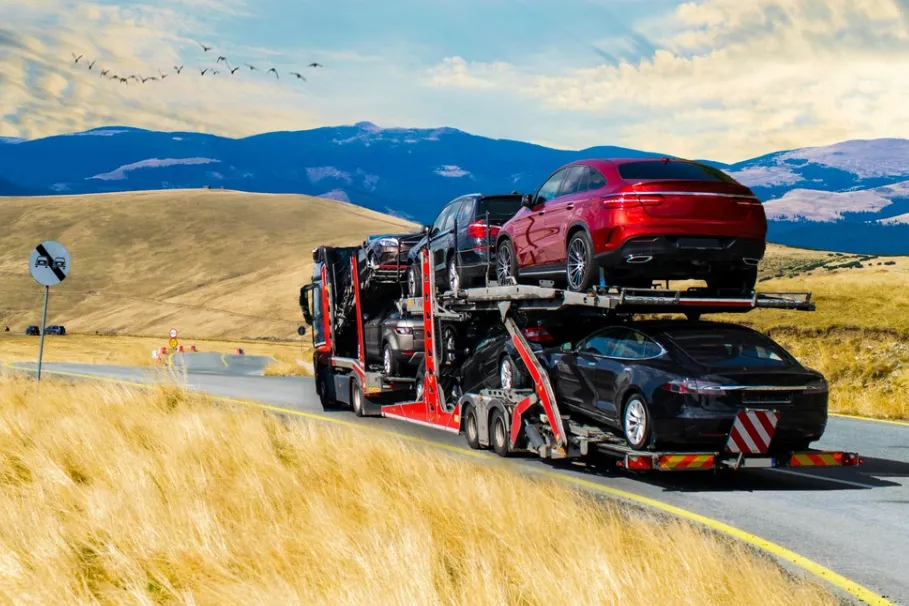
A custom car is never just a set of parts bolted together. It is a vision, a budget, a long timeline, and often years of ideas finally turned into something real. Whether the vehicle has a fresh paint job, a hand-built interior, an upgraded drivetrain, custom suspension, or a rare body style, the way it is moved matters just as much as the way it was built. Standard transport may be enough for an everyday commuter, but a custom car usually needs a higher level of care, especially when the owner wants to protect every detail from pickup to delivery. That is why enclosed transport options from providers such as jp logistics can become part of the planning conversation before the vehicle ever leaves the shop.
The hidden risks of treating a custom car like any other vehicle
Many people think transportation is simple: load the car, secure it, drive it, and unload it. For a custom build, the process is rarely that basic because the vehicle may have features that make normal loading and hauling less suitable.
Fresh paint is one of the clearest examples. Even when a finish looks fully cured, it can still be vulnerable to chips, scratches, dust, and careless handling. A small stone, a loose strap, or road debris can undo weeks of careful prep and finishing work. For a standard car, a minor blemish may be frustrating. For a custom car, it can feel devastating because the finish is part of the identity of the build.
Low ground clearance is another major issue. Many custom cars sit lower than factory height, either for visual style, performance, or both. That stance may look perfect on the street, but it can create problems when loading onto a regular trailer. A steep ramp angle can scrape the front splitter, exhaust, rocker panels, or underbody components. The lower the vehicle sits, the more important it becomes to use the right equipment and to have people who understand how to guide the car carefully.
Custom interiors also deserve more attention than many people realize. Hand-stitched seats, upgraded dashboards, specialty trim, custom audio systems, and one-off materials can all be damaged by careless entry, moisture, dust, or poor storage during transit. Even a small tear or stain can be difficult to repair because the material may be rare, discontinued, or custom-made.
Mechanical modifications add another layer of complexity. A custom engine setup, upgraded brakes, altered suspension geometry, or specialty wheels may change how the car drives, rolls, or needs to be secured. Some builds are not fully broken in yet. Others may be non-running or only partially completed. In those cases, transport requires extra planning, not guesswork.
The most important point is simple: the more unique the vehicle is, the less sense it makes to move it through a generic process. Owners who work with custom builders, specialty shops, or restoration professionals should also think carefully about the handoff after the work is complete, and resources like http://chimeramotors.com/ show how much planning can go into the build itself before the transport stage even begins.
Why enclosed transport often makes more sense
Enclosed transport gives custom cars a controlled, protected environment during the move. It reduces exposure to weather, road grime, debris, and unwanted attention, which are all real concerns when moving a valuable or highly personalized vehicle.
Protection from the outside world
An open trailer leaves a car exposed throughout the trip. Rain, wind, dust, gravel, tree sap, bird droppings, and highway debris can all reach the vehicle. For a daily driver, that may be acceptable. For a freshly finished custom car, those risks are harder to justify.
Enclosed transport works differently. The vehicle travels inside a covered trailer, which creates a protective barrier between the car and the outside environment. This matters even more for show-quality paint, exposed polished metal, detailed undercarriages, delicate trim, and vehicles that have just come out of a long build process.
There is also a privacy benefit. A custom car can attract attention, especially if it has rare styling, expensive parts, or a dramatic finish. Enclosed transport keeps the vehicle out of plain sight during the trip, which can help reduce unnecessary attention while it is being moved.
Loading is where many problems begin
Getting the car onto the trailer is one of the most important moments in the entire transport process. A custom car may look sturdy, but the wrong loading approach can damage it before the journey even starts.
Ramp angle matters more than people think
Low-clearance vehicles need gentle loading angles. If the ramp is too steep, the front end, side skirts, exhaust, or suspension components can make contact with the ground or trailer. Once that happens, the damage can be immediate and expensive.
Specialized equipment, careful spotting, and a patient approach all matter. A rushed load is never worth it. The person handling the car needs to understand where the vulnerable points are, how the vehicle responds, and whether it needs extra clearance support. That is especially true for vehicles with air suspension, coilovers, custom bodywork, or extended front ends.
Securing the vehicle is just as important. The wrong strap placement can damage suspension parts, wheels, paint, or undercarriage components. Soft straps and proper tie-down points help reduce that risk. The goal is not just to keep the car from moving, but to secure it without harming the work that went into it.
Not every custom car is ready to drive
Some custom cars being transported are finished and road-ready. Others are still in progress, recently purchased, headed to another shop, or unable to run under their own power. That changes the transport requirements.
A non-running vehicle may need a winch, extra labor, or different loading equipment. It may also need special instructions from the builder or owner. For example, the car may roll but not steer well. It may have no brakes. It may be missing interior components. It may have loose parts packed separately. Each of these details affects how it should be handled.
This is where communication becomes critical. Before transport, the owner should be clear about the vehicle’s condition. Does it start? Does it steer? Does it break? Are there fluid leaks? Are there loose panels? Are there custom parts that should not be touched? These questions may feel basic, but they help avoid mistakes.
The owner’s checklist before transport
A short checklist can make the process smoother without turning the article into a technical manual. Before a custom car is moved, the owner should take time to document and prepare the vehicle properly.
- Take detailed photos of the exterior, interior, wheels, underbody, and any fragile details.
- Remove loose items from the cabin and trunk.
- Confirm the vehicle’s running condition honestly.
- Share special handling notes with the transport provider.
- Ask about insurance coverage and documentation.
- Make sure pickup and delivery access are realistic for the trailer size.
These steps are not about being difficult. They are about protecting the investment. A custom car often represents hundreds of decisions, and transport should respect that.
The real value is peace of mind
The cost of careful transport can seem higher at first, but the real comparison is not standard transport versus enclosed transport. The better comparison is the cost of protection versus the cost of fixing preventable damage.
A custom car may have a paint color that is hard to match, bodywork that took months to complete, wheels that are difficult to replace, or interior materials that were sourced specifically for that build. Even a small mistake can create delays, added expense, and frustration. The right transport plan reduces those risks before they become problems.
For many owners, the emotional side matters too. A custom car is personal. It may represent a childhood dream, a family memory, a passion project, or a reward for years of hard work. Moving it carefully is not excessive. It is part of honoring the work, money, and meaning behind the vehicle.
Custom cars call for custom-level care
Standard transport has its place, but a custom car often needs more thought, better equipment, and a higher level of attention. From low clearance and fresh finishes to custom interiors and modified mechanical systems, these vehicles come with details that cannot be treated casually.
The smartest approach is to plan transport as part of the build, not as an afterthought. When the movement of the vehicle receives the same care as the work that created it, the owner gets more than delivery. They get confidence that the car will arrive with its finish, character, and craftsmanship protected.