

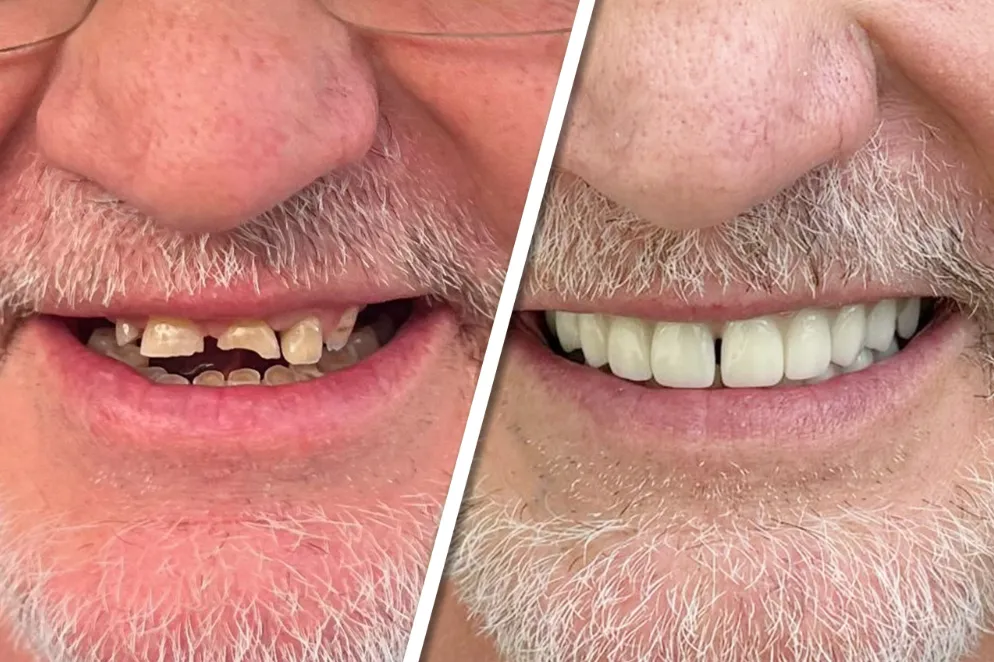
Missing teeth can change the way you eat, speak, smile, and feel in everyday life. Even one missing tooth can create a small gap that starts to affect your bite, your confidence, and the way nearby teeth sit in your mouth. For anyone beginning to compare treatment options, www.premieroralnfacialsurgery.com/ can be a helpful starting point for understanding how dental implants support long-term tooth replacement. Unlike removable options, implants are designed to feel stable, look natural, and work with your jaw instead of simply sitting on top of the gums.
Why Missing Teeth Deserve Real Attention
A missing tooth is not just a cosmetic concern. It can quietly create changes that become more noticeable over time.
When a tooth is lost, the surrounding teeth may begin to shift into the open space. This can affect bite alignment and make chewing feel uneven. Some people start avoiding certain foods because they are harder to bite into or break down properly. Others become more aware of how their smile looks in photos, meetings, or casual conversations.
There is also the issue of jawbone stimulation. Natural tooth roots help keep the jaw active when you bite and chew. When a tooth is gone, that stimulation is reduced in that area. Over time, this can contribute to bone changes that affect the shape and support of the face. That is one of the reasons dental implants are often viewed as a more complete solution than options that only replace the visible part of the tooth.
What Makes Dental Implants Different
Dental implants are designed to replace the root of a missing tooth, not just the crown that people see when you smile.
The implant itself is placed into the jawbone, where it can heal and become stable over time. Once that foundation is ready, a connector and custom restoration are added to complete the replacement. The finished result is meant to blend in with the rest of your smile while giving you the strength needed for daily chewing.
One of the biggest advantages is that implants do not rely on neighboring teeth for support. With some traditional bridges, healthy adjacent teeth may need to be adjusted so the restoration can be anchored in place. Dental implants are different because they stand independently. That can make them a smart option for people who want to protect as much natural tooth structure as possible.
They are also fixed in place. There is no removing them at night, no slipping during meals, and no worrying about adhesive. Once fully restored, they are cared for with regular brushing, flossing, dental visits, and good oral hygiene habits.
The Confidence Factor Is Bigger Than People Expect
Dental implants can make a major difference in how someone feels during everyday moments.
Eating becomes less stressful when you are not thinking about a gap or a loose replacement. Smiling feels easier when the restoration is made to match the shape and appearance of nearby teeth. Speaking can also feel more natural, especially for people who have struggled with missing teeth or removable appliances.
The emotional side matters too. Many people do not realize how much they have been adjusting their behavior until they no longer have to. They may stop covering their mouth when laughing. They may feel more comfortable in social settings. They may enjoy meals again without planning around what is easiest to chew.
That sense of normalcy is one of the strongest reasons people explore implants. The goal is not simply to replace a tooth. It is to restore comfort, function, and confidence in a way that feels natural.
The Treatment Process Is Built Around Precision
Every implant case should begin with a careful evaluation. This helps determine whether the jawbone, gums, bite, and overall oral health are ready for treatment.
During the consultation stage, imaging may be used to study the structure of the mouth and plan the ideal placement. The surgeon will look at bone levels, spacing, medical history, and any factors that could affect healing. Some patients may be ready for implant placement right away. Others may need preparatory care first, such as bone grafting, to create a stronger foundation.
The placement appointment is planned carefully so the implant can be positioned at the right angle, depth, and location. After placement, the implant needs time to heal and integrate with the bone. This healing period is an important part of what gives implants their stability.
Once healing is complete, the final restoration is attached. This is the part that looks like a natural tooth. It is shaped and shaded to blend with the rest of the smile, creating a result that feels comfortable and looks balanced.
All-On-4 Dental Implants Can Restore a Full Smile
All-on-4 dental implants are often discussed when someone is missing most or all teeth in an arch and wants a fixed alternative to traditional removable dentures.
Instead of replacing each tooth with an individual implant, this approach uses a small number of strategically placed implants to support a full arch of replacement teeth. For the right candidate, it can provide strong support, improved chewing ability, and a more secure feel than removable dentures. People researching full-mouth restoration may come across temecula dental implants & oral surgery reviews while comparing patient experiences, treatment expectations, and implant options. The most important step is still a personalized evaluation, because bone structure, oral health, bite forces, and long-term goals all play a role in deciding whether this treatment is appropriate.
This option can be life-changing for people who are tired of loose dentures, failing teeth, or constant dental setbacks. It offers a path toward a smile that feels more stable and easier to live with day to day.
Healing and Aftercare Matter
The surgery itself is only one part of successful implant treatment. Healing and maintenance are just as important.
Some swelling, soreness, or tenderness can be expected after implant placement. Following post-operative instructions helps protect the area and supports a smoother recovery. Patients are usually advised to keep the mouth clean, avoid disturbing the surgical site, eat softer foods at first, and attend follow-up visits so healing can be checked.
Long-term success depends on consistent care. Dental implants cannot get cavities, but the gums and bone around them still need to stay healthy. Brushing, flossing, routine dental cleanings, and avoiding tobacco can all support better outcomes.
It is also important to speak up if something feels off. Discomfort, looseness, gum changes, or bite changes should be evaluated promptly. The sooner an issue is addressed, the easier it may be to protect the implant and surrounding tissues.
Choosing the Right Implant Team Makes a Difference
Dental implant treatment is both technical and personal. Patients need skill, planning, communication, and a clear understanding of what to expect.
A strong provider will explain the process in plain language, answer questions honestly, and customize treatment around the patient’s needs. They will not rush the planning stage or offer a one-size-fits-all answer. Every smile has its own structure, history, and goals, so every implant plan should reflect that.
Comfort also matters. Many people feel nervous before oral surgery, especially if they have had difficult dental experiences in the past. A thoughtful team can make the process feel more manageable by explaining each step, offering appropriate comfort options, and making sure patients feel informed before treatment begins.
A Stronger Smile Starts with One Step
Dental implants offer more than a cosmetic upgrade. They can help restore chewing strength, protect facial support, preserve nearby teeth, and bring back the kind of confidence that affects everyday life.
Whether someone is missing one tooth, several teeth, or an entire arch, the right treatment plan can make a meaningful difference. The best first step is a consultation with a qualified implant provider who can evaluate oral health, explain available options, and recommend a path that supports both function and appearance.
A healthier, more stable smile does not have to feel out of reach. With careful planning and the right care, dental implants can help people move forward with comfort, confidence, and a smile that feels like their own again.